
Japanese martial arts
Introduction
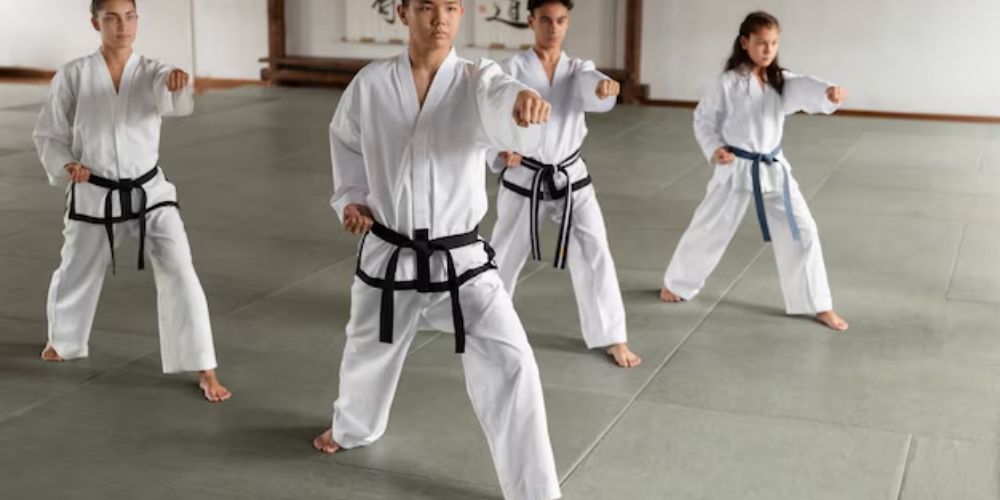
Japanese martial arts, or budō, are traditional forms of combat training that have evolved over centuries, embodying discipline, respect, and personal growth. Unlike modern sports, many Japanese martial arts focus on mental and spiritual development, aiming to cultivate qualities such as humility, patience, and inner calm. Each style emphasizes the harmony between body and mind, seeking to improve practitioners’ physical and mental fortitude through rigorous training. In addition, Japanese martial arts are grounded in centuries-old philosophies and rituals, distinguishing them from martial arts in other cultures. Here’s an overview of some prominent Japanese martial arts, their unique characteristics, and where to experience them in the Kansai region.
1. Characteristics of Japanese Martial Arts
Japanese martial arts, particularly the traditional forms, are deeply rooted in bushido, the code of the samurai, which emphasizes virtues such as honor, loyalty, and self-discipline. Training in these arts often includes meditation and kata (patterns of movements) to help practitioners focus their minds, control their bodies, and develop a high level of concentration. In Japanese martial arts, there is often less emphasis on aggression or competition, and more on the concept of mastering oneself. Practitioners are taught to see opponents as partners who help them refine their skills, rather than adversaries to be defeated. This makes Japanese martial arts more than physical training; they are a form of self-discipline and mental cultivation.
2. Types of Japanese Martial Arts
・Karate:
Originating from Okinawa, karate emphasizes powerful strikes, including punches, kicks, and open-hand techniques. Karate teaches practitioners to harness their body’s power
and utilize precision and timing. Today, karate has many styles, each with different techniques, but all share a focus on agility, balance, and self-discipline.
・Judo:
Judo, developed in the late 19th century by Jigoro Kano, is a grappling-based martial art that focuses on throws, pins, and joint locks rather than strikes. Judo emphasizes
leverage and balance, allowing practitioners to subdue opponents with minimal effort. Judo has become widely practiced as a competitive sport worldwide, but traditional dojos
still emphasize randori (free practice) and mental discipline.
・Kendo:
Kendo is the art of Japanese swordsmanship, where practitioners use bamboo swords (shinai) and protective armor to engage in combat. Kendo is highly ritualistic, emphasizing
respect for the opponent and discipline. Practitioners often shout kiai (spirit cries) during strikes to focus their energy and intimidate opponents. Kendo teaches not only
physical agility but also emotional control.
・Aikido:
Founded by Morihei Ueshiba in the 20th century, aikido focuses on using an opponent's energy and momentum against them, redirecting attacks rather than resisting them with force.
Aikido employs joint locks, throws, and pins, teaching practitioners to stay calm and focused while controlling opponents. Aikido emphasizes harmony, aiming to neutralize conflicts
without causing harm.
・Kyudo:
Kyudo, or Japanese archery, combines physical skill with intense mental focus, emphasizing proper form and breathing. The act of drawing and releasing an arrow is ritualistic,
with each movement performed gracefully and with purpose. Kyudo practitioners view the process of shooting as a form of meditation, where hitting the target is secondary to performing
each movement with mindfulness and precision.
・Iaido:
Iaido is the art of drawing and cutting with the sword in one fluid motion, often practiced with a katana. Iaido focuses on precise, controlled movements and heightened awareness,
allowing practitioners to respond instantly to any potential threat. The art emphasizes the beauty and fluidity of movement, as well as the mental discipline required to control the
sword and one's own impulses.
3. Where to Experience Japanese Martial Arts in the Kansai Region
・Shunpukan Dojo (Kyoto):
Located in the heart of Kyoto, Shunpukan is a traditional dojo that offers kendo, iaido, and jodo (the art of the wooden staff) instruction to both locals and international visitors. Shunpukan
Dojo has a history of training practitioners in classical swordsmanship, emphasizing discipline and respect. Visitors can observe or participate in classes, experiencing firsthand the intensity
and focus of Japanese martial arts training. Shunpukan is also known for its welcoming approach to newcomers, making it an accessible place for beginners.
・Yoshinkan Dojo (Osaka):
This well-established aikido dojo in Osaka offers aikido classes for all levels, welcoming both beginners and experienced practitioners. The dojo focuses on aikido’s principles of non-resistance
and harmony, allowing practitioners to engage in a cooperative learning environment. Yoshinkan Dojo has skilled instructors who emphasize aikido's traditional values while adapting techniques for
practical self-defense. The dojo regularly holds workshops for international visitors, providing an authentic experience of Japanese martial arts.
・Kyoto Budo Center (Kyoto):
The Kyoto Budo Center, located near Heian Shrine, is a historic venue where several Japanese martial arts are taught, including kendo, judo, and kyudo. The center is popular with both locals and
tourists, offering classes in multiple disciplines. Visitors can take part in short-term sessions and learn the fundamentals of these arts. The Budo Center holds exhibitions and public classes,
making it a fantastic location for tourists to observe or participate in martial arts training in an iconic setting that highlights Kyoto’s rich history.


